The Accidental Spy
Jacqueline George
ebook price:
paperback price:
paperback price:
$3.99
$12.99
$12.99
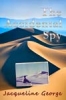
Greg Armstrong is an oilfield engineer in Tabriz, a North African country which is mostly desert. He lives in the town of Sabah, a sea port that looks out on the beautiful waters of the Mediterranean.
Not everything is beautiful in Sabah, as Greg starts to discover when he accidentally witnesses a covert military operation. His life is normally complicated enough by the demands of living and working under a ramshackle, oppressive State, but now the dark underworld of international terrorism begins to enfold him. Only the strange expatriate community of Sabah stands between him and the Security police.
Not everything is beautiful in Sabah, as Greg starts to discover when he accidentally witnesses a covert military operation. His life is normally complicated enough by the demands of living and working under a ramshackle, oppressive State, but now the dark underworld of international terrorism begins to enfold him. Only the strange expatriate community of Sabah stands between him and the Security police.
Publisher : Q~Press Publishing
ISBN : 9780980548471
Date : February 2014
Edition : ebook, print
Pages : 249
ISBN : 9780980548471
Date : February 2014
Edition : ebook, print
Pages : 249
Customer Reviews


More titles from Jacqueline George :
An Absorbing Tale
A tangled web of espionage and intrigue played out against the gritty background of the Tabrizi oil fields. The author employs her intimate knowledge of North Africa and the Mediterranean to weave an absorbing tale with more than its share of suspense and chicanery in exotic locations.
I was fascinated by the descriptions of life in the antediluvian world of Tabriz, and the variety of characters drawn to work in this bizarre domain. ~ John Singe, author of My Island Home
A tangled web of espionage and intrigue played out against the gritty background of the Tabrizi oil fields. The author employs her intimate knowledge of North Africa and the Mediterranean to weave an absorbing tale with more than its share of suspense and chicanery in exotic locations.
I was fascinated by the descriptions of life in the antediluvian world of Tabriz, and the variety of characters drawn to work in this bizarre domain. ~ John Singe, author of My Island Home
The Sahara - austere, beautiful, and dangerous













Click cover to open